 MB Medic Mercedes-Benz Repair Guides, Service, How To DIY

Last updated:
There is no shortage of good advice on what to check when buying a used car. This article covers the other half: the list of items you need to bring with you to do a good inspection.
What to Bring to a Used Car Pre-Purchase Inspection
The items in this list are a must if you plan to check out a car an hour away from home. Whether you are inspecting a used Mercedes-Benz or any other car, there are a few things you should take with you, which we have listed below.
 Jump Box: Don’t be surprised if you show up at the seller’s house and the car doesn’t start due to a dead battery. Or maybe the car has a flat tire. To avoid headaches, bring with you an air compressor/jump box combo if you have one. You can jump the car and put air in any flat tire. Clamp order matters on a car you do not know, so read how to jump start a Mercedes-Benz safely before you need it.
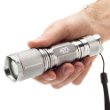 Flashlight: Bring a flashlight with you so that you can use it to look under the car and hard to see areas including around the engine. Use the flashlight to check for oil leaks. We do not recommend you check out a car at night. Always check out the car during the day.
 Jack and Stands: You will most likely want to inspect the car carefully and look underneath for oil leaks or hidden problems. You may want to jack up the car on the front to check the suspension and steering components. Not every car buyer does such a detailed used car inspection. If you plan to get under the car, park it on level ground with the parking brake set, and secure it on jack stands before any part of you goes underneath. Don’t get under the car if you don’t have jack stands underneath.
 Rags: This is obvious but we just put it on this list as a reminder. You will check the engine, transmission, brakes, and power steering levels and condition. Bring with you a couple of rags because you will need them.
Insurance Policy: Let’s say you decide to buy a car. How are you going to drive it back? You should bring the insurance card even if it still has the info from your other car. Most insurance companies will cover a car that you have just purchased. To be sure, check with your car insurance. Or call your insurance company right after your purchase and add the car you bought to your insurance policy. All they need is the VIN. If you get pulled over, you will have insurance coverage to show to a police officer.
 Diagnostic Scanner: The majority of the car buyers never bring an OBD-II code reader with them, but that doesn’t mean you shouldn’t. These little scanners will tell you a lot about the car. They will tell you if there are any problems with the engine, retrieve fault codes, and see if the vehicle is ready to be taken for emission inspection. The port is under the dash on every car built since the mid nineties; on a Mercedes-Benz, here is where the OBD2 port is. These scanners are very easy to use and come in handy.
If you are serious about the car, or the seller admits a warning light has been on, bring a scanner that reads every control unit, not just the engine. A basic code reader shows engine codes and the emissions readiness monitors, and a seller who cleared the codes the night before leaves those monitors showing not ready, which is itself a tell. What it cannot show you is what the other modules recorded: whether the airbag control unit holds a crash event, and whether the transmission, ABS, ESP or airbag module is carrying a fault the dash is not displaying. A full system scanner such as the YOUCANIC UCAN-II Pro reads all of those on a Mercedes-Benz in a few minutes in the seller’s driveway. Read every module before you negotiate; what you find there is either the reason to walk away or the reason to pay less.
Before you buy parts, scan every control module, not just the engine. It shows the root fault behind the warning lights and tells you whether the problem is still active. See how to do a full health check.


